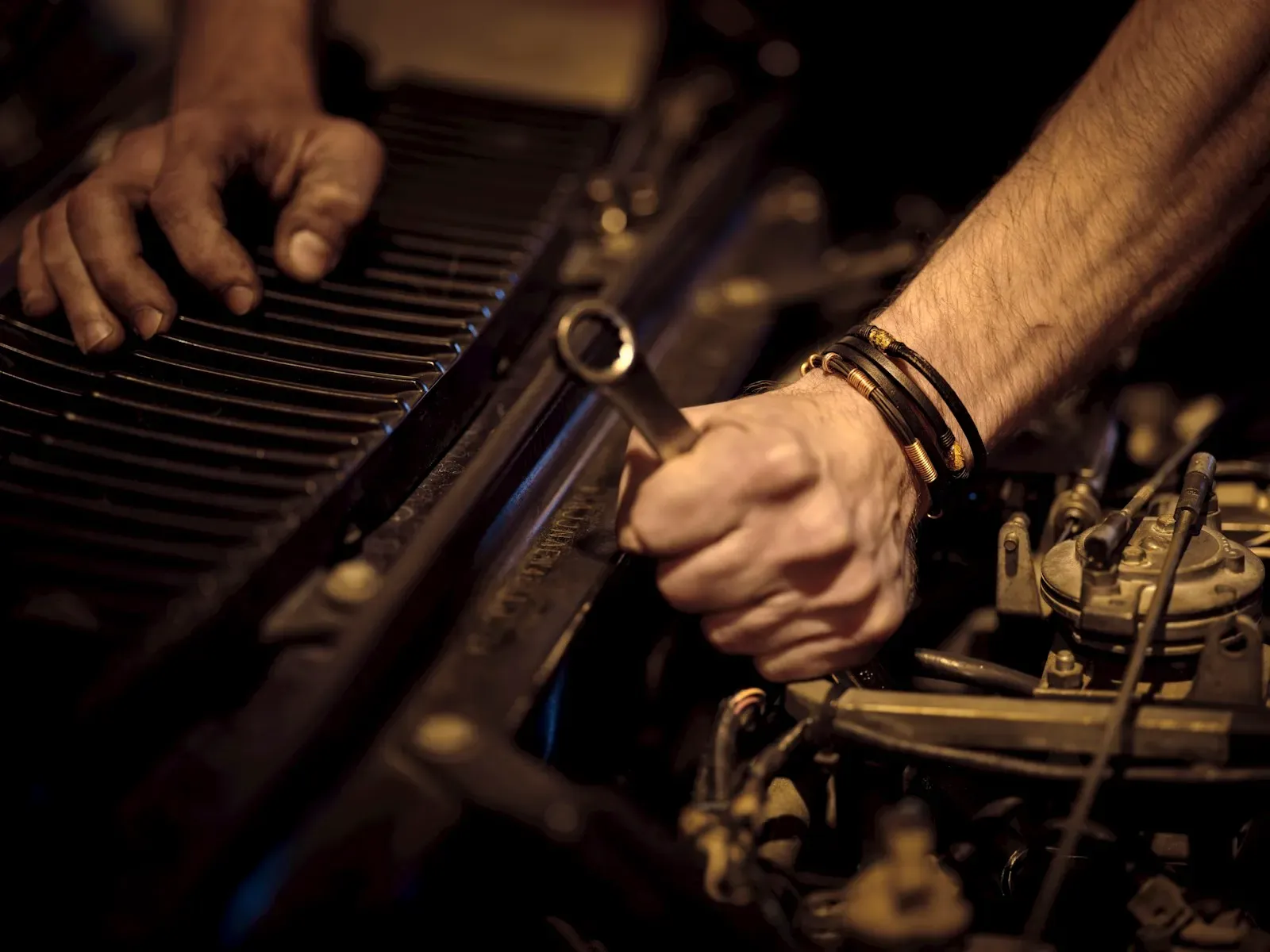
A single rubber belt snaking through the front of your engine drives some of the most critical accessories your vehicle relies on every day. The serpentine belt is one of those components that works silently in the background until it does not, and when it fails, the consequences are immediate and potentially severe. Ottawa's extreme temperature swings make belt maintenance particularly important, as rubber deteriorates faster when subjected to minus 30 degree winters and plus 35 degree summers.
What the Serpentine Belt Drives
Unlike older vehicles that used multiple V-belts to drive individual accessories, modern vehicles use a single serpentine belt, also called a multi-rib belt, to power several critical components simultaneously:
Alternator
The alternator generates electrical power for the entire vehicle. Without belt drive, the battery drains within minutes and the engine stalls. This is especially critical during winter driving when headlights, heated seats, defrosters, and blower fans all demand heavy electrical output.
Power Steering Pump
On vehicles with hydraulic power steering, the serpentine belt drives the pump that provides steering assist. When the belt breaks, steering becomes extremely heavy and difficult to control, particularly at low speeds during parking manoeuvres or turning at intersections.
Air Conditioning Compressor
The AC compressor is belt-driven, and without it you lose both summer cooling and, on many vehicles, windshield defrost capability since the AC system helps remove moisture from the cabin air.
Water Pump
On many engine designs, the serpentine belt drives the water pump that circulates coolant through the engine. If the belt breaks on these vehicles, the engine will overheat within minutes. Some engines use the timing belt or chain to drive the water pump instead, but if your water pump is serpentine belt-driven, belt failure becomes an immediate overheating emergency.
Other Accessories
Depending on the vehicle, the serpentine belt may also drive a secondary air injection pump for emissions, a supercharger on forced-induction engines, or a vacuum pump for brake assist.
Serpentine Belt vs V-Belt
Older vehicles built before the mid-1990s typically used multiple V-belts, each driving one or two accessories. These belts had a V-shaped cross-section and rode in V-shaped pulleys. The serpentine belt replaced this system with a single flat belt featuring multiple ribs on one side. The advantages include:
- Fewer belts to maintain and replace
- Better grip and power transmission across multiple accessories
- Automatic tensioning via a spring-loaded tensioner
- Lower overall maintenance cost
If your vehicle still uses V-belts, the same wear principles apply, but you may need to replace multiple belts at different intervals.
Warning Signs Your Serpentine Belt Needs Replacement
Squealing Noise
A high-pitched squeal at startup or during acceleration is the most common sign of a worn or slipping serpentine belt. The noise typically occurs when the belt cannot maintain grip on the pulleys, often because the rubber has glazed, the ribs have worn shallow, or the tensioner has weakened. Cold mornings in Ottawa make this worse because the rubber stiffens and loses flexibility, reducing grip until the engine warms up.
Visible Cracks and Wear
Modern serpentine belts are made from EPDM rubber, which wears differently than older neoprene belts. Instead of developing obvious surface cracks, EPDM belts tend to wear like a tire, with the ribs gradually losing depth and material. A belt gauge can measure rib depth to determine if the belt is worn beyond specification. However, visible cracking on the rib surfaces, chunking of rubber pieces, fraying at the edges, or a shiny glazed appearance on the smooth side all indicate the belt needs immediate replacement.
Belt Slipping Under Load
If you notice the power steering feels heavy momentarily, the headlights dim briefly when turning the AC on, or the charging voltage dips under heavy electrical load, the belt may be slipping. This can be caused by a worn belt, a weak tensioner, or a contaminated belt surface from an oil or coolant leak.
Chirping or Ticking Noise
A rhythmic chirping that matches engine speed often indicates belt misalignment or a worn tensioner pulley bearing. While the belt itself may still be in good condition, the misalignment or rough pulley surface accelerates wear and should be addressed.
The Tensioner: Automatic vs Manual
Automatic Tensioner
Most modern vehicles use a spring-loaded automatic tensioner that maintains constant pressure on the serpentine belt. Over time, the spring weakens and the tensioner loses its ability to keep the belt tight. A weak tensioner allows the belt to slip and squeal, and it can cause premature belt wear even on a new belt. When replacing the serpentine belt, we always inspect the tensioner and recommend replacement if it shows weakness, excessive movement, or bearing noise.
Manual Tensioner
Some older or simpler designs use a bolt-adjusted tensioner that must be manually set to the correct tension during belt installation. If the tension is set too loose, the belt slips. If set too tight, it overloads accessory bearings and shortens belt life. Proper tension is critical.
Replacement Intervals
Most manufacturers recommend serpentine belt replacement between 90,000 and 150,000 kilometres, but this is a general guideline. Factors that can shorten belt life include:
- Ottawa's temperature extremes: Repeated cycling between extreme cold and summer heat accelerates rubber degradation
- Oil or coolant contamination: Leaks from engine seals or hoses that contact the belt cause the rubber to swell and deteriorate rapidly
- High accessory load: Vehicles with large alternators, aftermarket accessories, or heavy AC use put more strain on the belt
- Idler and tensioner pulley condition: Rough or misaligned pulleys create uneven wear patterns
At Franco Garage, we inspect the serpentine belt during every comprehensive service. We use a belt wear gauge to measure rib depth objectively rather than relying on visual inspection alone, because EPDM belts can look acceptable while being significantly worn.
Cold Weather Belt Cracking in Ottawa
Ottawa winters are brutal on serpentine belts. When temperatures drop below minus 20 degrees Celsius, the rubber compound becomes stiffer and more brittle. Starting a cold engine forces the stiff belt to immediately wrap around pulleys at high speed, creating stress that can crack weakened ribs or cause an already worn belt to snap. This is why we recommend proactive belt replacement before winter if the belt is approaching its service interval. A $60 to $120 belt replacement is far preferable to being stranded with a broken belt, a dead alternator, and no power steering on a frozen January morning.
What Happens When the Belt Breaks
When a serpentine belt snaps while driving, you will notice several things simultaneously:
- The battery warning light illuminates as the alternator stops charging
- Power steering becomes very heavy
- The engine temperature gauge begins climbing if the water pump is belt-driven
- The AC stops working
- The vehicle will stall within a few minutes as the battery drains
Pull over safely and do not continue driving, especially if the water pump is belt-driven. Overheating can occur within minutes and cause thousands of dollars in engine damage. Call for a tow to Franco Garage and we will have you back on the road quickly.
Frequently Asked Questions
How much does serpentine belt replacement cost? For most vehicles, serpentine belt replacement costs between $120 and $250 including parts and labour. If the tensioner or idler pulleys also need replacement, the total is typically $250 to $450. These are among the most affordable preventive maintenance services you can do.
Can I replace the serpentine belt myself? On some vehicles with straightforward belt routing and accessible tensioners, it is a manageable DIY job. However, many modern engine bays are tightly packed, and incorrect belt routing can cause immediate damage. Always photograph the belt routing before removal and verify it matches the routing diagram on the belt placard under the hood.
Should I replace the tensioner at the same time as the belt? We recommend it if the tensioner is more than 120,000 kilometres old or shows any signs of weakness. Installing a new belt on a worn tensioner is a short-term fix that often leads to premature belt wear and a return visit.
Why does my belt squeal only on cold mornings? Cold rubber is stiffer and has less grip. A belt that only squeals when cold is typically worn to the point where it cannot maintain traction until it warms up and becomes more pliable. This is an early warning sign that replacement is coming soon.
Can a bad serpentine belt cause my engine to overheat? Yes, if your water pump is driven by the serpentine belt. Not all vehicles route the belt through the water pump, but if yours does, a broken or severely slipping belt can cause rapid overheating.
Do not wait for a breakdown to replace your serpentine belt. Call Franco Garage at (613) 789-2128 or visit us at 70 Beech Street in Ottawa for a quick belt inspection and replacement.