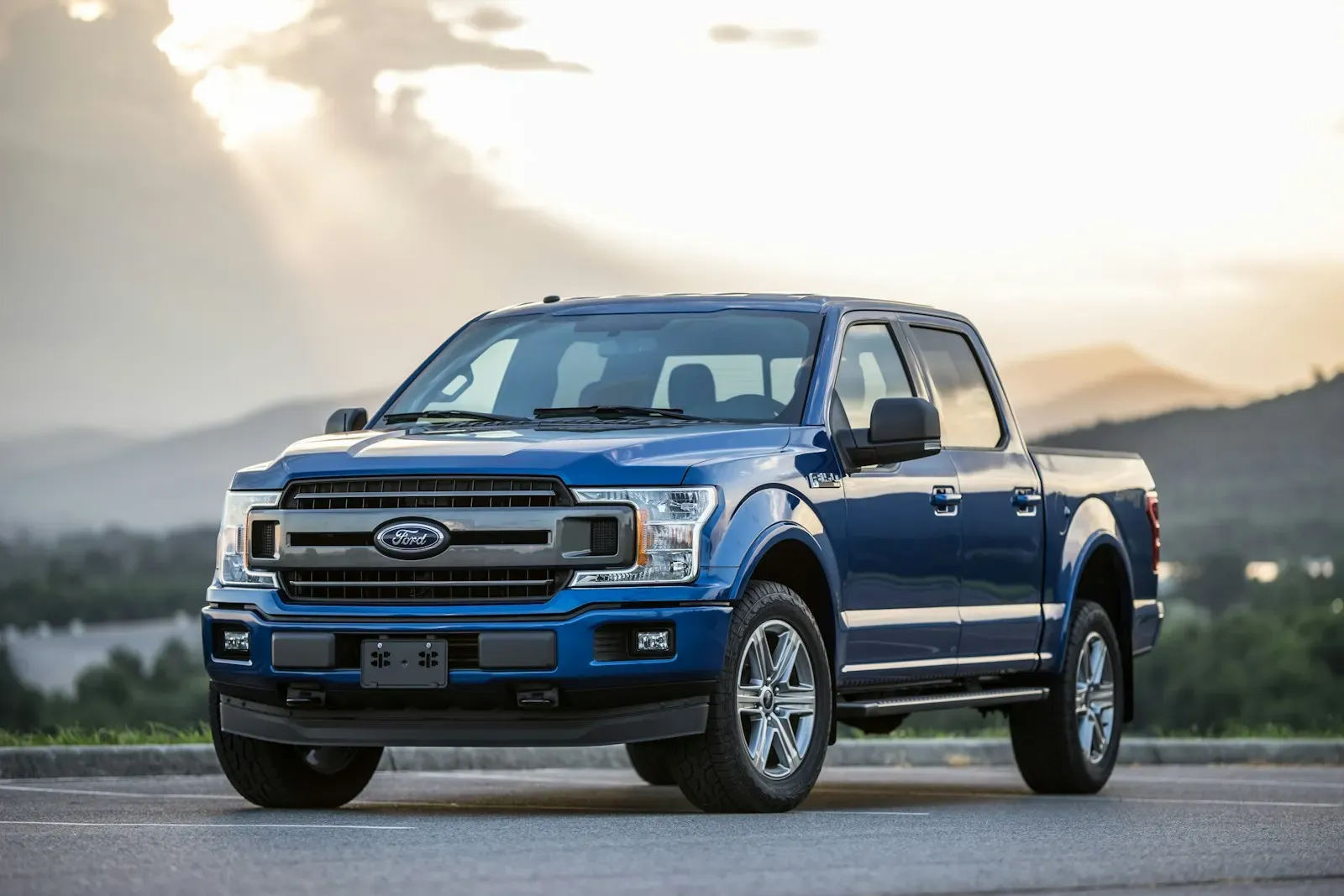
Ford is deeply woven into Canadian automotive culture. From the F-150 that dominates construction sites and driveways across Ottawa to the Escape that handles family duties, Ford vehicles are everywhere. While Ford builds tough and capable vehicles, each model line has specific issues that Ottawa owners should understand to avoid costly surprises.
Franco Garage has been repairing Ford vehicles at our 70 Beech St location since 1981. Over the decades, we have seen Ford's engineering evolve from simple pushrod V8s to complex turbocharged EcoBoost systems. Our technicians have the diagnostic tools and expertise to handle everything from classic F-150 repairs to modern Edge and Explorer electrical diagnostics.
Ford F-150: Canada's Best-Selling Vehicle
The F-150 is the backbone of Ford's lineup and the best-selling vehicle in Canada. Modern F-150s are sophisticated machines with turbocharged engines, ten-speed transmissions, and advanced electronics. That complexity brings specific maintenance needs.
EcoBoost Engine Issues
The 2.7L and 3.5L EcoBoost engines offer impressive power and towing capacity, but they have documented issues that Ottawa owners should monitor.
Carbon buildup is a significant concern on direct-injected EcoBoost engines. Like all GDI engines, fuel does not wash over the intake valves, allowing carbon to accumulate. Symptoms include rough idle, misfires, and reduced power. The 3.5L EcoBoost is particularly susceptible between 80,000 and 130,000 kilometres. Walnut shell blasting of the intake valves is the recommended cleaning method.
Timing chain stretch affects the 3.5L EcoBoost, particularly in 2011–2016 model years. Symptoms include a rattling noise on startup, rough running, and timing-related diagnostic codes. The repair involves replacing the timing chains, guides, tensioners, and often the cam phasers simultaneously. This is a complex repair that requires an experienced technician.
Intercooler condensation is a known issue on the 3.5L EcoBoost where moisture collects in the intercooler and is ingested by the engine during hard acceleration, causing a momentary stumble or misfire. Ford released an updated intercooler design and drain fitting to address this.
Cam Phaser Problems
The 5.0L Coyote V8 in the 2018 and newer F-150 develops cam phaser issues that produce a cold-start knocking or ticking noise. The Variable Camshaft Timing phasers wear internally and produce noise until oil pressure builds sufficiently. Ford released a technical service bulletin and updated phaser and chain tensioner components for affected trucks.
This issue is amplified in Ottawa winters when thick cold oil takes longer to reach full pressure. Using the correct 5W-20 full synthetic oil and replacing the oil filter at every change helps maintain proper oil flow to the phasers.
F-150 Maintenance Tips
- Change oil every 8,000 kilometres with full synthetic meeting Ford WSS-M2C946-B1 specification
- Inspect the turbo system hoses and intercooler for leaks or condensation issues
- Service the ten-speed transmission fluid at 100,000 kilometres despite Ford's sealed for life claim
- Apply rustproofing annually since even the aluminum body F-150 has a steel frame susceptible to Ottawa road salt
Ford Escape: Coolant Intrusion on the 1.5L EcoBoost
The Ford Escape is one of Ottawa's most popular compact SUVs. The 2017–2019 models equipped with the 1.5L three-cylinder EcoBoost engine have a serious known issue: coolant intrusion into the combustion chamber.
What Is Coolant Intrusion?
The 1.5L EcoBoost engine uses an integrated exhaust manifold within the cylinder head. A design weakness in the cylinder head and head gasket allows coolant to leak into the cylinders. Symptoms start subtly with a slowly dropping coolant level and progress to white smoke from the exhaust, misfires, rough idle, and in severe cases, hydrolock damage.
Why This Matters in Ottawa
Cold Ottawa winters stress the cooling system through extreme temperature cycling. Coolant contracts when cold and expands when hot, which accelerates the leak at the head gasket interface. If you own a 2017–2019 Escape with the 1.5L engine, monitor your coolant reservoir level at every fuel fill-up. A dropping level without visible external leaks strongly suggests internal coolant intrusion.
Repair Options
The repair typically involves cylinder head replacement or head gasket replacement depending on the severity of damage. Ford issued a customer satisfaction program for some affected vehicles. Franco Garage can diagnose coolant intrusion using a combustion leak test and advise on the most cost-effective repair path.
Ford Explorer and Edge: Known Trouble Spots
The Explorer and Edge share the 3.5L Duratec V6 and the 2.0L EcoBoost in various configurations. Both are generally reliable, but Ottawa owners should watch for specific issues.
Explorer Issues
The 2011–2017 Explorer is known for exhaust fumes entering the cabin through the rear of the vehicle. Ford attributed this to gaps in the body sealing and released repair procedures. If you notice exhaust odour while driving your Explorer, this is a safety concern that should be addressed promptly.
The 2013–2015 Explorer with the 3.5L naturally aspirated engine can develop water pump leaks. Unlike the EcoBoost version, this water pump is chain-driven and located internally, making it a significant repair if it fails.
Power steering rack leaks are common on higher-mileage Explorers. Symptoms include fluid spots under the vehicle and groaning during slow-speed turns. Ottawa's potholes and rough roads accelerate steering component wear.
Edge Issues
The Edge with the 2.0L EcoBoost shares the coolant intrusion concern found in the Escape, though it is less widespread. The PTU (Power Transfer Unit) on AWD Edge models is prone to fluid leaks and eventual failure if the fluid is not changed. The PTU holds less than a litre of fluid and should be serviced every 50,000 kilometres.
Ford Focus: PowerShift Dual-Clutch Transmission
The 2012–2016 Ford Focus equipped with the PowerShift six-speed dual-clutch automatic transmission is one of the most troubled drivetrains in recent Ford history. This dry dual-clutch design was intended to combine automatic convenience with manual transmission fuel efficiency, but it has been plagued by problems.
Common PowerShift Symptoms
- Severe shuddering and vibration from a stop
- Lurching and bucking at low speeds
- Grinding or scraping noises during shifts
- Hesitation when accelerating from a stop into traffic
- Premature clutch pack failure, sometimes before 60,000 kilometres
Why the PowerShift Fails
The dry clutch design is inherently sensitive to heat and wear. Ottawa driving conditions with heavy traffic on the Queensway, frequent stop-and-go on Bank Street and Rideau Street, and cold winter operation create the worst possible environment for this transmission. The clutch seals harden in cold weather, the actuator motor wears from constant engagement cycles, and the TCM (Transmission Control Module) software struggles to adapt to deteriorating clutch conditions.
Ford faced class-action litigation over this transmission in multiple countries. If you own an affected Focus, having the clutch pack condition assessed can help you plan for eventual replacement or decide whether to trade the vehicle.
Ford Fusion: Dependable with Minor Concerns
The Fusion is one of Ford's more reliable offerings. The 2.5L Duratec four-cylinder is a simple and durable engine with few significant issues. The 1.5L and 2.0L EcoBoost Fusions share the GDI carbon buildup concerns common to all direct-injected engines.
The most common Fusion-specific issue is the electric power steering assist motor, which can fail and trigger a steering warning light. Replacement involves the steering column assembly and is a moderately expensive repair. The 2013–2016 models are most commonly affected.
Ottawa-Specific Ford Maintenance
Ottawa's environment is particularly harsh on Ford trucks and SUVs. Here is what every Ottawa Ford owner should prioritize:
- Frame and underbody rustproofing every year, even on aluminum-body F-150s which still have steel subframes and suspension components
- Coolant system inspection before winter to catch leaks that worsen in freezing temperatures
- Battery load testing every September since Ford vehicles with extensive electronics are sensitive to marginal batteries
- Brake inspection every spring after months of salt exposure that accelerates rotor and caliper corrosion
- Suspension inspection focusing on ball joints, tie rod ends, and sway bar links that take constant punishment from Ottawa potholes