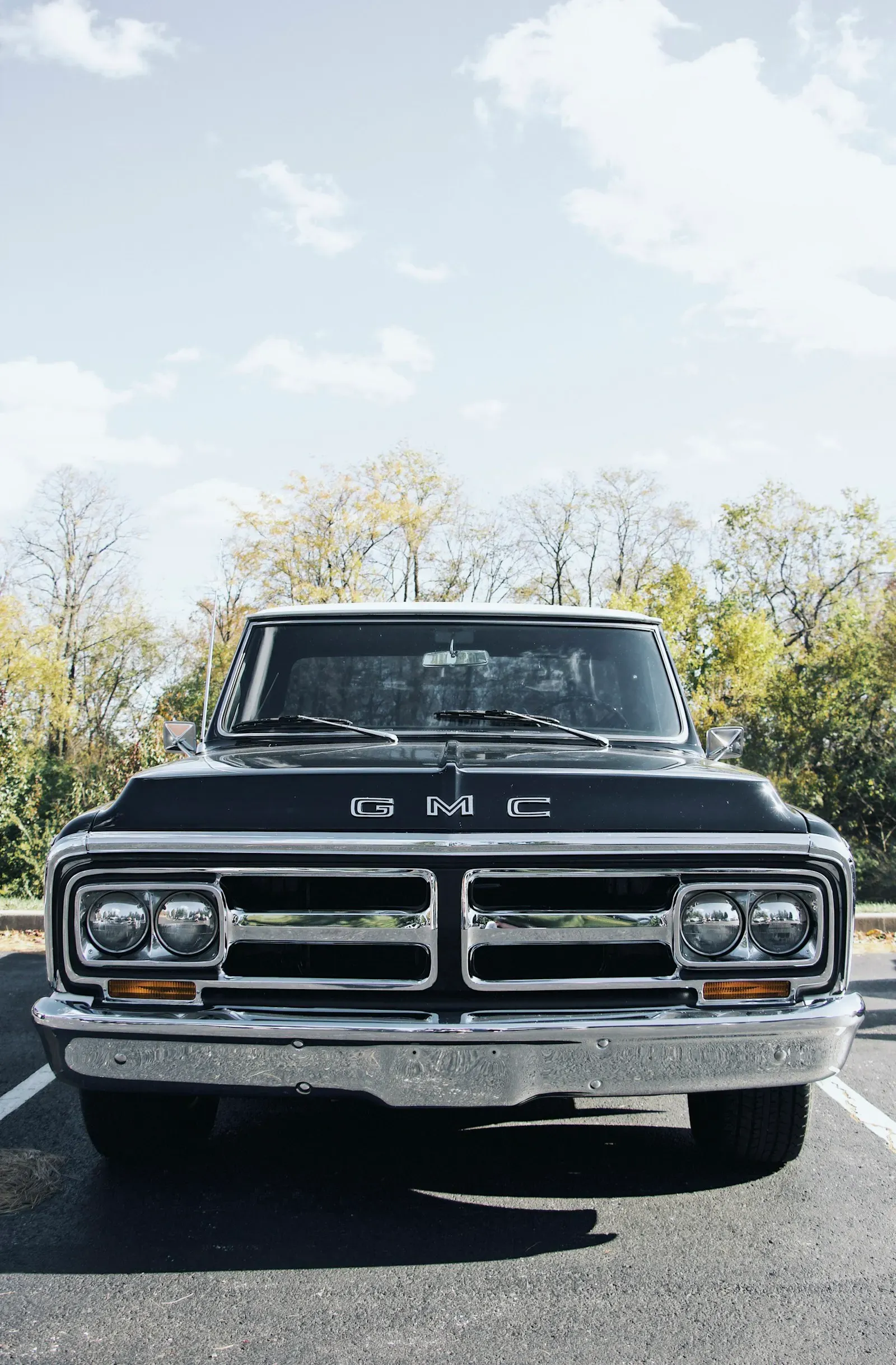
GMC has carved out a distinct identity in the Canadian truck and SUV market. While GMC vehicles share platforms and powertrains with their Chevrolet counterparts, they are positioned as the premium option with upgraded interiors, refined suspension tuning, and additional features. Ottawa drivers choose GMC for the combination of truck capability and a more polished driving experience, from the Sierra Denali towing a boat to the cottage to the Terrain navigating Elgin Street.
Despite the premium positioning, GMC vehicles are subject to many of the same mechanical issues as their GM-platform siblings, along with some model-specific concerns. Franco Garage has been servicing GMC trucks and SUVs in Ottawa since 1981, and our decades of experience have given us deep insight into what goes wrong and how to fix it efficiently.
GMC Sierra: Shared DNA, Shared Problems
The GMC Sierra shares its frame, powertrain, and most mechanical components with the Chevrolet Silverado. This means many of the same issues affect both trucks, but the Sierra's slightly different tuning and equipment levels can influence how these problems manifest.
AFM and DFM Lifter Failures
The Sierra 1500 equipped with the 5.3L V8 or 6.2L V8 uses the same Active Fuel Management (AFM) and Dynamic Fuel Management (DFM) cylinder deactivation systems found in the Silverado. The lifter failure problem is identical: collapsible lifters in the deactivation cylinders can fail, producing a distinct ticking or knocking noise from the top of the engine.
On the Sierra, this issue is particularly common on trucks used for mixed driving, alternating between highway cruising where AFM activates frequently and city driving with constant stop-and-go conditions. The repeated cycling of lifters between active and deactivated states accelerates wear on the lifter mechanisms.
Warning signs include:
- Persistent ticking noise from the valve train at cold or warm startup
- Misfires detected on cylinders one, four, six, or seven (the AFM cylinders)
- Rough idle that may be intermittent
- Check engine light with P0300 series misfire codes
The repair involves replacing all sixteen lifters and, if damage has progressed, the camshaft as well. This is a labour-intensive repair because the cylinder heads or the cab may need to come off to access the lifters on the rear cylinders. Franco Garage has performed this repair on dozens of Sierra trucks and can complete it efficiently with quality aftermarket or OEM lifters depending on your preference and budget.
Transmission Shudder and Torque Converter Issues
The 8L90 eight-speed and 10L80 ten-speed transmissions in the Sierra exhibit the same shudder problem seen in the Silverado. The shudder originates from the torque converter clutch failing to apply smoothly, creating a vibration that feels like driving over textured pavement between 40 and 80 kilometres per hour.
GM's recommended first step is a complete transmission fluid exchange with the updated Mobil 1 Synthetic LV ATF HP fluid. This addresses the issue in a majority of cases because the original fluid formulation contributed to the problem. If the shudder persists after a fluid exchange, the torque converter clutch surfaces may be scored, requiring torque converter replacement.
Sierra owners who tow regularly should pay particular attention to transmission health. Towing increases transmission fluid temperatures, which accelerates fluid degradation and can worsen torque converter clutch wear. If you tow with your Sierra, consider a transmission fluid exchange every 50,000 kilometres rather than waiting for symptoms.
Brake Rotor Warping from Towing
The Sierra's brake system is designed to handle the truck's weight and towing capacity, but heavy towing in Ottawa's hilly terrain, particularly along Highway 17 toward Arnprior or Highway 416 south toward Kemptville, generates extreme brake temperatures. Repeated heavy braking on descents causes brake rotors to develop heat spots that warp the rotor surface.
Symptoms include a pulsation in the brake pedal during moderate braking and, in severe cases, steering wheel vibration under heavy braking. The solution is rotor replacement rather than resurfacing, because warped rotors from heat damage have uneven metallurgical properties that make them prone to re-warping after resurfacing.
For Sierra owners who tow regularly, Franco Garage recommends upgrading to premium-quality rotors with higher heat tolerance. This upfront investment saves money over the long term by extending rotor life under towing conditions.
GMC Terrain: Compact SUV with Turbo Growing Pains
The Terrain is GMC's compact SUV offering, competing directly with the Toyota RAV4 and Honda CR-V. The current generation uses turbocharged engines that provide good power and fuel economy but have developed reliability concerns that Ottawa owners should monitor.
1.5L and 2.0L Turbo Oil Consumption
The Terrain shares the 1.5L turbo engine with the Chevrolet Equinox, and it carries the same oil consumption issues. The 2.0L turbo option, available in higher trim levels, is less prone to this problem but is not immune. Oil consumption typically becomes noticeable after 80,000 kilometres and is linked to piston ring design and PCV system function.
Regular oil level monitoring is essential. Check the dipstick at every fuel fill-up once your Terrain passes 80,000 kilometres. Using the correct Dexos-approved 0W-20 synthetic oil and changing it at 8,000-kilometre intervals rather than the extended intervals some owners follow will help mitigate the issue.
Timing Chain Rattle
The timing chain in the 1.5L turbo engine is susceptible to stretch, particularly when oil changes are delayed or oil consumption goes unmonitored. A stretched timing chain produces a metallic rattle from the front of the engine that is most noticeable at cold startup. The noise may disappear once the engine warms and oil pressure stabilizes the chain tensioner.
If the timing chain stretches beyond the tensioner's ability to compensate, the engine can jump timing. This is a catastrophic failure on an interference engine, meaning the pistons will contact the valves, destroying both. Timing chain replacement before this point costs approximately $1,500 to $2,500. Engine replacement after a timing jump costs $5,000 to $8,000 or more.
Electronic Power Steering Failures
The Terrain uses an electric power steering system that eliminates the traditional hydraulic pump and fluid. While this reduces maintenance, the electric motor and control module can fail. Symptoms include sudden loss of power assist, a heavy or unresponsive steering feel, a warning light on the dashboard, and in some cases, an audible grinding from the steering column.
GM issued recalls on certain model years for power steering issues. If your Terrain was not covered by a recall but exhibits steering problems, the repair typically involves replacing the electric power steering motor or the steering rack assembly. This is a safety-critical system, and any loss of power steering assist should be inspected immediately.
GMC Acadia: The Three-Row SUV with V6 Timing Chain Concerns
The Acadia is GMC's midsize three-row SUV, popular with Ottawa families who need more space than the Terrain provides but prefer not to drive a full-size truck-based SUV. The previous-generation Acadia (2007 to 2016) uses the 3.6L V6 engine that has a well-documented timing chain issue.
3.6L V6 Timing Chain Stretch
The 3.6L LFX and LGX V6 engine uses three timing chains: one for each camshaft and one connecting the two banks of the engine. These chains are driven by plastic-guide-equipped tensioners that wear over time. Between 100,000 and 150,000 kilometres, the timing chains stretch and the guides wear, producing a distinct rattle from the front of the engine.
Left unaddressed, stretched timing chains will eventually cause misfires, reduced power, and potential engine damage if the chains jump teeth. The repair is extensive because it requires removing the front cover of the engine to access all three chains, tensioners, and guides. Labour alone is significant due to the complexity of the job. Parts include three chains, three tensioners, and six guides.
This is one of the most common repairs we see on the Acadia at Franco Garage. If your Acadia is approaching 100,000 kilometres and you hear any rattle from the front of the engine, have the timing system inspected. Early diagnosis allows you to plan the repair rather than facing an emergency breakdown.
Transmission Solenoid Issues
The six-speed automatic transmission in the previous-generation Acadia can develop solenoid failures that cause harsh or delayed shifting. The most common symptoms are a firm one-to-two upshift, delayed engagement when shifting from park to drive, and occasional transmission fault codes stored in the computer. Solenoid replacement is a moderately complex repair that involves dropping the transmission pan and replacing the solenoid body.
AC Compressor Failures
The Acadia is also prone to air conditioning compressor failures, particularly on models with rear air conditioning. The compressor clutch can fail, or the compressor itself may develop internal wear that introduces metal debris into the AC system. When the compressor fails catastrophically, the entire AC system requires flushing to remove debris, plus a new compressor, condenser, and expansion valve. Catching a failing compressor early, when it is still noisy but functioning, limits the repair scope.
GMC Canyon: Midsize Truck with Diesel-Specific Challenges
The Canyon is GMC's midsize truck, offering a choice between the 3.6L V6 gasoline engine and the 2.8L Duramax diesel. Both engines have their own maintenance considerations in Ottawa's climate.
2.8L Duramax Diesel DEF System Issues
The 2.8L Duramax diesel in the Canyon uses a Diesel Exhaust Fluid (DEF) system to meet emissions standards. This system is prone to issues in cold climates like Ottawa. The DEF fluid itself freezes at minus 11 degrees Celsius, and while the system has a heater to thaw the fluid, the heater, quality sensor, and injector can all fail.
Common DEF system symptoms include:
- Warning messages about DEF quality or level despite a full tank
- Reduced engine power or limp mode
- Check engine light with emissions-related codes
- Inability to start if the system determines DEF compliance is not met
DEF system repairs can range from sensor replacement to DEF injector or heater element replacement. These components are exposed to road spray and salt, which accelerates corrosion on connectors and wiring. Annual inspection of the DEF system wiring and connectors is recommended for Ottawa Canyon owners.
3.6L V6 Timing Chain
The Canyon equipped with the 3.6L V6 shares the same timing chain stretch concern as the Acadia. The maintenance advice is identical: monitor for rattle, keep up with oil changes using the correct Dexos-approved oil, and plan for timing chain service between 100,000 and 150,000 kilometres.
Ottawa-Specific Concerns for GMC Vehicles
Ottawa's environment presents challenges that go beyond normal wear and tear, and GMC trucks and SUVs face specific risks that require proactive attention.
Frame Rust on Sierra and Canyon
Both the Sierra and Canyon use body-on-frame construction with exposed steel frame rails. Ottawa's aggressive road salt treatment corrodes these frames over time. Older model Sierra trucks from 2007 to 2013 are especially susceptible because their frame coatings were less durable than later models. Annual frame inspection is essential, and oil-based rustproofing applied before each winter is the best defence.
Look for rust on the frame crossmembers, the areas around the rear leaf spring mounts, and the front subframe mounting points. Surface rust should be treated with a wire brush and rust converter before applying undercoating. Once perforation occurs, the structural integrity is compromised and the repair becomes far more expensive.
Diesel Cold-Start Issues in Extreme Cold
Ottawa regularly sees temperatures below minus 25 degrees Celsius, and the 2.8L Duramax diesel in the Canyon can struggle in these conditions. Diesel fuel gels at approximately minus 30 degrees Celsius without proper winter-blend fuel or antigel additives. The glow plug system must function perfectly to ignite cold diesel fuel, and weak glow plugs that work fine at minus 10 may fail at minus 25.
For Canyon diesel owners in Ottawa, use winter-blend diesel fuel from November through March, add a diesel antigel additive as a backup, install a block heater and use it whenever temperatures drop below minus 15, and have the glow plug system tested annually before winter. A failed glow plug on a minus 30 morning leaves you stranded, which is entirely preventable with fall testing.
AWD and 4WD Transfer Case Fluid Changes
Salt spray from Ottawa roads penetrates transfer case and differential seals more aggressively than in drier climates. The Terrain AWD system and the Sierra and Canyon 4WD transfer cases all require periodic fluid changes. In Ottawa conditions, Franco Garage recommends transfer case fluid changes every 50,000 kilometres rather than the factory-recommended longer intervals. Fresh fluid prevents internal corrosion and ensures smooth engagement of the four-wheel-drive or all-wheel-drive system when you need it most.
Recommended GMC Maintenance Schedule for Ottawa
Ottawa's conditions demand a maintenance approach that exceeds factory intervals in several areas.
- Engine oil: Every 8,000 km for turbo engines, 10,000 km for V8 and V6 naturally aspirated engines, using Dexos-approved synthetic
- Transmission fluid: Every 60,000 km, or 50,000 km if you tow regularly
- Transfer case and differential fluid: Every 50,000 km in Ottawa salt conditions
- Timing chain inspection: At 90,000 km for 3.6L V6 engines, with service planned between 100,000 and 150,000 km
- Brake inspection: Every 20,000 km, with rotor replacement rather than resurfacing for towing vehicles
- Battery test: Every fall, with replacement recommended at four to five years
- Undercoating: Annual oil-based application before December
- DEF system inspection: Annually for Canyon diesel models, including wiring and connector check
- Cooling system: Full coolant flush every 80,000 km