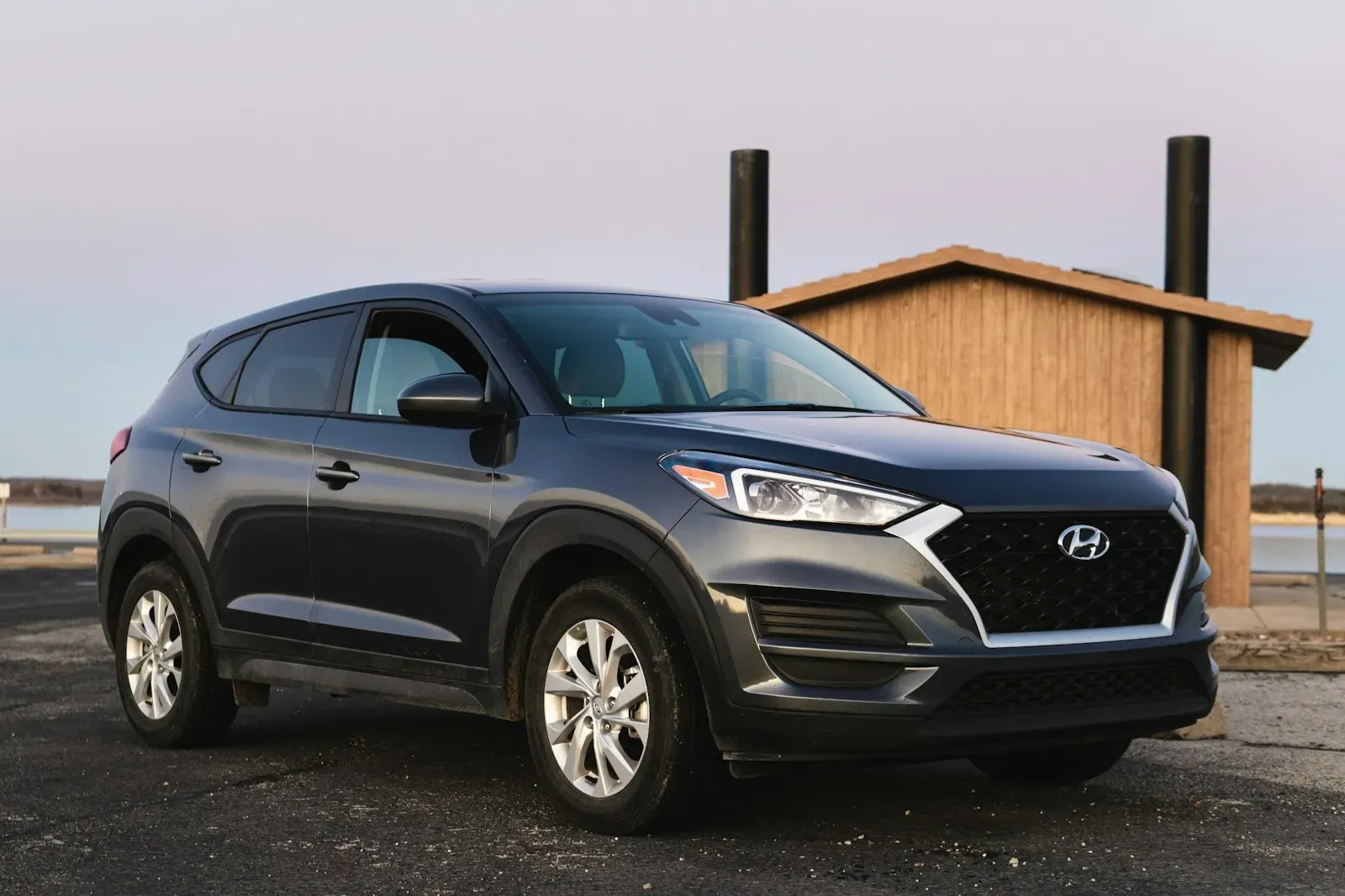
Hyundai and Kia have transformed from budget brands into serious competitors in the Canadian auto market. Ottawa roads are filled with Tucsons, Elantras, Sportages, and Fortes, and for good reason. These vehicles offer impressive features, strong warranties, and competitive pricing. However, the rapid engineering evolution at Hyundai-Kia has also produced some well-documented mechanical issues that Ottawa owners need to understand.
At Franco Garage, we have seen a significant increase in Hyundai and Kia vehicles coming through our shop at 70 Beech St over the past decade. Our technicians stay current on the latest service bulletins, recall information, and repair techniques specific to these Korean-built vehicles.
The Theta II Engine Issue: What Every Owner Must Know
The single most significant concern affecting Hyundai and Kia vehicles is the Theta II engine family. This 2.0L and 2.4L four-cylinder engine was used across a wide range of models from 2011 to 2019, including the Hyundai Tucson, Sonata, and Santa Fe, as well as the Kia Sportage, Optima, and Sorento.
What Went Wrong
The Theta II engine suffers from a manufacturing defect where metal shavings from the crankshaft machining process were left inside the engine during assembly. These metal particles restrict oil flow through critical passages, leading to connecting rod bearing failure and engine seizure. The problem is sudden and catastrophic, often occurring without significant warning at speeds on the highway.
Recall and Warranty Coverage
Hyundai and Kia have issued multiple recalls covering millions of vehicles worldwide. The manufacturers extended engine warranties to 15 years with unlimited kilometres for affected models and also released a software update that monitors engine knock and can trigger a limp mode before complete failure occurs.
If you own a Hyundai or Kia with a 2.0L or 2.4L Theta II engine, verify with your VIN whether your vehicle is covered under the recall. Franco Garage can help you determine recall eligibility and perform the required inspections. For vehicles outside recall coverage, we can perform oil analysis testing to check for elevated metal content in your engine oil, which is an early warning sign.
Signs of Theta II Engine Trouble
- Engine knocking or ticking noise that increases with RPM
- Illuminated check engine light with misfire codes
- Sudden loss of power or engine stall while driving
- Metal shavings visible on the oil drain plug during an oil change
- Low oil pressure warning light
GDI Carbon Buildup: A Growing Problem
Hyundai and Kia were early adopters of Gasoline Direct Injection technology across their lineup. GDI engines inject fuel directly into the combustion chamber rather than into the intake port. While this improves power and efficiency, it creates a significant maintenance concern: carbon buildup on the intake valves.
Why GDI Engines Build Carbon
In a traditional port-injected engine, fuel spraying across the intake valves acts as a cleaning agent, washing away carbon deposits. In GDI engines, fuel never touches the back of the intake valves. Over time, oil vapour from the PCV system and exhaust gases from the EGR system coat the valves with hardened carbon deposits.
Symptoms of Carbon Buildup
- Rough idle, especially in cold Ottawa mornings
- Hesitation during acceleration
- Misfires and check engine light
- Reduced fuel economy
- Hard starting in winter conditions
Models Affected
The Hyundai Elantra, Tucson, and Sonata with 1.6L and 2.0L GDI engines are commonly affected, as are the Kia Forte, Sportage, and Optima with similar powertrains. The issue typically becomes noticeable between 60,000 and 100,000 kilometres.
Prevention and Treatment
The most effective treatment is walnut shell blasting of the intake valves, which removes carbon deposits without damaging the valve seats. This should be performed every 80,000 to 100,000 kilometres on GDI-equipped Hyundai and Kia vehicles. Using top-tier fuel with enhanced detergent packages can slow carbon accumulation but will not prevent it entirely.
Catching carbon buildup early prevents damage to ignition coils and catalytic converters that can result from prolonged misfiring. Franco Garage offers intake valve cleaning services for all GDI-equipped Hyundai and Kia models.
Dual-Clutch Transmission (DCT) Issues
Hyundai and Kia introduced a seven-speed dry dual-clutch transmission in several models including the Hyundai Elantra, Tucson, Veloster, and Kia Forte from approximately 2012 to 2017. This transmission was designed for fuel efficiency but has proven problematic in real-world driving conditions.
Common DCT Complaints
- Shuddering and vibration from a stop, particularly in slow traffic
- Harsh or delayed shifts at low speeds
- Hesitation when pulling into traffic or merging on the highway
- Clutch slipping under load, especially on hills
- Premature clutch wear requiring replacement before 100,000 kilometres
Why the DCT Struggles in Ottawa
The dry dual-clutch design is particularly sensitive to stop-and-go driving and cold weather, both of which are daily realities in Ottawa. The clutch packs overheat in heavy traffic and wear prematurely. Cold temperatures make the already jerky low-speed behaviour even more pronounced.
Hyundai and Kia released multiple software updates to improve shift logic, and some owners reported improvement after these updates. However, many vehicles still require clutch assembly replacement. The manufacturers extended the DCT warranty on some models, so check your coverage.
DCT Maintenance Tips
- Avoid riding the brakes in traffic, which generates heat that transfers to the nearby clutch
- Allow the transmission to warm up before aggressive driving in winter
- Have the transmission software updated to the latest calibration
- If shuddering worsens, have the clutch pack inspected before complete failure
Hyundai Tucson: Ottawa's Popular Compact SUV
The Tucson is everywhere in Ottawa, and beyond the Theta II and GDI issues discussed above, owners should be aware of a few model-specific concerns.
The 2016–2021 Tucson can develop rear shock absorber leaks that cause a clunking noise over bumps. Ottawa potholes accelerate this wear significantly. The steering column can also develop a clicking noise during turns, which is usually caused by a worn intermediate shaft coupling.
Kia Sportage: Reliable but Not Without Issues
The Sportage shares much of its platform with the Tucson and inherits similar concerns. The fourth-generation Sportage (2017–2022) is generally solid but can develop issues with the panoramic sunroof drain tubes clogging, leading to water leaks into the cabin. Ottawa's heavy spring rainfall and fall leaf accumulation make drain tube maintenance important.
Hyundai Elantra: Compact Sedan Concerns
Beyond the GDI and DCT issues, the Elantra is a dependable commuter. The 2017–2020 models occasionally develop premature rear brake wear, with some owners reporting rear pads wearing out before 30,000 kilometres. This is often caused by an overly aggressive electronic parking brake auto-hold feature. Having the rear calipers inspected and the parking brake adjusted can extend pad life.
Kia Forte: Economy with Some Trade-Offs
The Forte mirrors many Elantra concerns since the two share a platform. The 1.8L and 2.0L engines are generally reliable outside of GDI carbon issues. The most common Forte-specific complaints involve premature front strut wear and steering rack leaks in higher-mileage examples.
Ottawa Winter Tips for Hyundai and Kia Owners
Korean vehicles have improved their rust protection significantly, but Ottawa road salt still takes a toll. Here is what we recommend:
- Apply rustproofing annually before winter, paying special attention to rear wheel arches and subframe mounting points
- Use 0W-20 or 5W-30 synthetic oil as specified for your model to ensure proper cold-weather lubrication
- Check your battery every fall because Hyundai and Kia vehicles are sensitive to voltage drops that affect the many electronic systems
- Inspect brakes before winter since corrosion-related brake noise is common after summer storage or extended parking
- Monitor engine oil level between changes, especially on Theta II engines