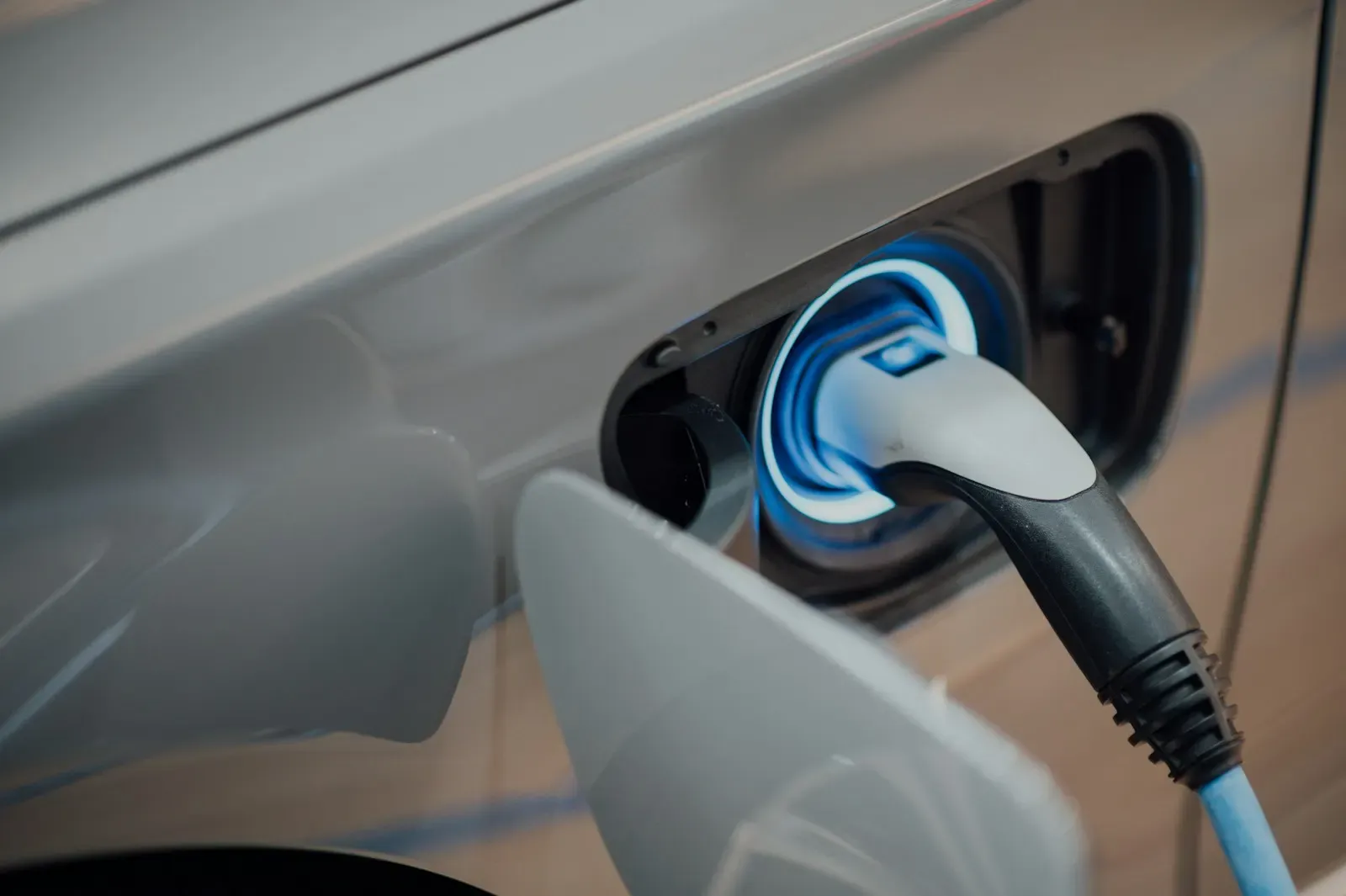
Electric vehicles are rapidly growing in popularity across Ottawa. The Tesla Model 3 and Model Y, Chevrolet Bolt, Hyundai Ioniq 5, Kia EV6, and Nissan Leaf are now common sights on city streets and the Queensway alike. While EVs eliminate many traditional maintenance items—no oil changes, no spark plugs, no exhaust systems—they introduce their own set of service needs that many owners are not aware of until something goes wrong.
Franco Garage has expanded our capabilities to serve Ottawa's growing EV community. While we do not perform high-voltage battery pack repairs, we handle the wide range of mechanical, suspension, brake, tire, and 12-volt electrical services that EVs require—often more frequently than their gas-powered counterparts due to the unique demands of electric drivetrains and Ottawa's harsh climate.
Battery Health in Cold Ottawa Winters
How Cold Affects Range
Lithium-ion batteries lose efficiency in cold temperatures. Ottawa regularly sees weeks of minus 20 to minus 30 degrees Celsius, and EV owners commonly report 30 to 40 percent range reduction during the coldest months. This is caused by:
- Reduced chemical reaction rates in the battery cells, delivering less energy
- Cabin heating demand, which draws directly from the battery (unlike gas cars that use waste engine heat)
- Battery preconditioning, where the car uses energy to warm the pack to a safe charging and discharging temperature
Maximizing Winter Range
Ottawa EV owners can mitigate cold-weather range loss with these strategies:
- Precondition while plugged in: Start heating the cabin and battery while still connected to a charger so you leave with a full charge and a warm pack
- Use seat heaters over cabin heat: Heated seats and steering wheel use a fraction of the energy that the HVAC system draws
- Keep the battery between 20 and 80 percent: Avoid deep discharges in cold weather, as the battery management system will further limit power to protect the cells
- Park in a garage if possible: Even an unheated garage keeps the battery 10 to 15 degrees warmer than outdoor temperatures, preserving both range and charging speed
Long-Term Battery Degradation
Battery degradation is a concern for all EV owners, and Ottawa's temperature extremes—both winter cold and summer heat—can accelerate it. Most modern EVs are designed to retain 70 to 80 percent of their original capacity after 8 to 10 years or 160,000 km. Practices that help preserve battery health include:
- Avoiding frequent DC fast charging (Level 3) when not necessary
- Keeping the state of charge between 20 and 80 percent for daily use
- Minimizing exposure to extreme temperatures when possible
Brake Service: Regenerative Braking Changes the Game
Why EV Brakes Last Longer
Regenerative braking uses the electric motor to slow the vehicle, converting kinetic energy back into battery charge. This means the friction brakes—pads and rotors—are used far less than on a conventional vehicle. Tesla owners in particular, using one-pedal driving mode, may rarely touch the brake pedal during normal city driving.
The Hidden Problem: Corrosion
In Ottawa, this is a double-edged sword. Because the brakes are used infrequently, moisture and road salt sit on the rotors for extended periods, causing significant surface corrosion and pitting. Over time, this corrosion can:
- Create a pulsation or grinding sensation when brakes are applied
- Reduce braking effectiveness in emergency stops
- Cause premature pad wear as pads scrub against rough rotor surfaces
- Lead to seized caliper slide pins from salt and moisture intrusion
EV Brake Maintenance Recommendations
We recommend that Ottawa EV owners:
- Have brakes inspected every 20,000 km, even if pad life looks good
- Request caliper slide pin cleaning and lubrication annually
- Periodically apply moderate braking at safe speeds to clean rotor surfaces
- Consider having rotors resurfaced if corrosion pitting becomes severe
Franco Garage performs comprehensive brake inspections for all EV makes, including caliper service, pad measurement, and rotor assessment.
Tire Wear: The Weight Factor
EVs Are Heavy
Electric vehicles are significantly heavier than comparable gas-powered cars due to their battery packs. A Tesla Model Y weighs approximately 1,900 kg—roughly 300 kg more than a similarly sized Toyota RAV4. This additional weight accelerates tire wear, particularly:
- Inside edge wear from the weight compressing suspension geometry
- Centre wear from maintaining higher tire pressures to support the weight
- Faster overall tread consumption, with many EV owners replacing tires 20 to 30 percent sooner than expected
EV-Specific Tires
Many EVs come equipped with tires specifically designed for electric vehicles. These tires feature:
- Reinforced sidewalls to handle the extra weight
- Low rolling resistance compounds for better range
- Foam inserts for reduced road noise (EVs have no engine noise to mask tire sound)
Replacing EV-specific tires with standard all-season tires may increase road noise and reduce range. We can advise on the best tire options for your specific EV, balancing wear life, winter grip, and range efficiency.
Alignment and Rotation
Regular tire rotation every 8,000 to 10,000 km is critical for EVs. The instant torque delivery of electric motors, combined with the heavier vehicle weight, creates uneven wear patterns faster than on gas vehicles. Alignment should be checked annually, especially after Ottawa's pothole season each spring.
Cabin Heating and HVAC Systems
Heat Pump vs Resistive Heating
Older EVs like early Tesla Model 3 variants and the Nissan Leaf use resistive heating, which is energy-intensive and significantly impacts winter range. Newer models—including recent Model 3 and Model Y builds, Ioniq 5, and EV6—use heat pump systems that are roughly three times more efficient.
However, heat pumps can struggle in extreme cold below minus 20 degrees Celsius, and some models supplement with resistive heating at very low temperatures. If your EV's heat pump fails, cabin heating performance drops dramatically and range plummets. Heat pump diagnosis and refrigerant system service are part of our EV inspection capability.
The 12-Volt Battery: The Forgotten Component
Every EV still has a traditional 12-volt battery that powers the vehicle's computers, door locks, lights, and contactors that connect the high-voltage battery to the drivetrain. If the 12-volt battery dies, your EV will not start—even with a fully charged main battery.
12-Volt Battery Failures in Ottawa
Cold weather is the leading cause of 12-volt battery failure, and EVs are not immune. Tesla 12-volt batteries, in particular, have a reputation for failing between 3 and 5 years. The Chevrolet Bolt and Nissan Leaf use conventional lead-acid 12-volt batteries that are equally vulnerable to Ottawa winters.
Signs of a failing 12-volt battery:
- Unusual warnings on the dashboard or centre screen
- Sluggish response when unlocking or waking the vehicle
- Complete failure to power on despite a charged main battery
We recommend testing the 12-volt battery annually before winter and replacing it proactively every 4 to 5 years.
Coolant System Maintenance
EVs have coolant systems—often multiple loops—that manage battery temperature, motor temperature, and cabin climate. These systems use specialized coolant that must not be mixed with conventional automotive antifreeze.
- Battery thermal management loop: Keeps the battery within its optimal temperature range
- Motor and inverter loop: Cools the electric drive unit
- Cabin HVAC loop: Manages heating and cooling for passengers
Coolant should be inspected for contamination and concentration every 60,000 km and replaced per the manufacturer's schedule. Neglecting EV coolant service can lead to reduced battery life, overheating faults, and degraded charging performance.
Suspension Wear
The extra weight of EV battery packs puts additional stress on suspension components. We commonly see accelerated wear on:
- Struts and shock absorbers
- Control arm bushings
- Stabilizer bar end links
- Wheel bearings
Ottawa's pothole-riddled roads compound this issue. An annual suspension inspection is essential for EV owners, and addressing worn components promptly preserves tire life and ride quality.
EV-Specific Inspection Checklist
When you bring your EV to Franco Garage, our inspection covers:
- 12-volt battery health and charging system
- Brake pad, rotor, and caliper condition (including corrosion assessment)
- Tire tread depth, wear pattern, and pressure
- Suspension component condition
- Coolant level and condition (all loops)
- Cabin air filter (EVs still have these)
- Wiper blades and washer fluid
- Exterior lighting and signals
- Underbody inspection for damage and corrosion
- Key fob or phone key battery (where applicable)
Why Choose Franco Garage for EV Service
Franco Garage has been a trusted family-owned auto repair shop in Ottawa since 1981, and we have embraced the electric vehicle transition. While high-voltage battery and motor repairs remain within the dealer network, the vast majority of EV maintenance—brakes, tires, suspension, 12-volt systems, coolant, and inspections—is well within our expertise. Our technicians are trained on EV safety protocols and use insulated tools for any work near high-voltage components. Visit us at 70 Beech St for honest, knowledgeable EV service.