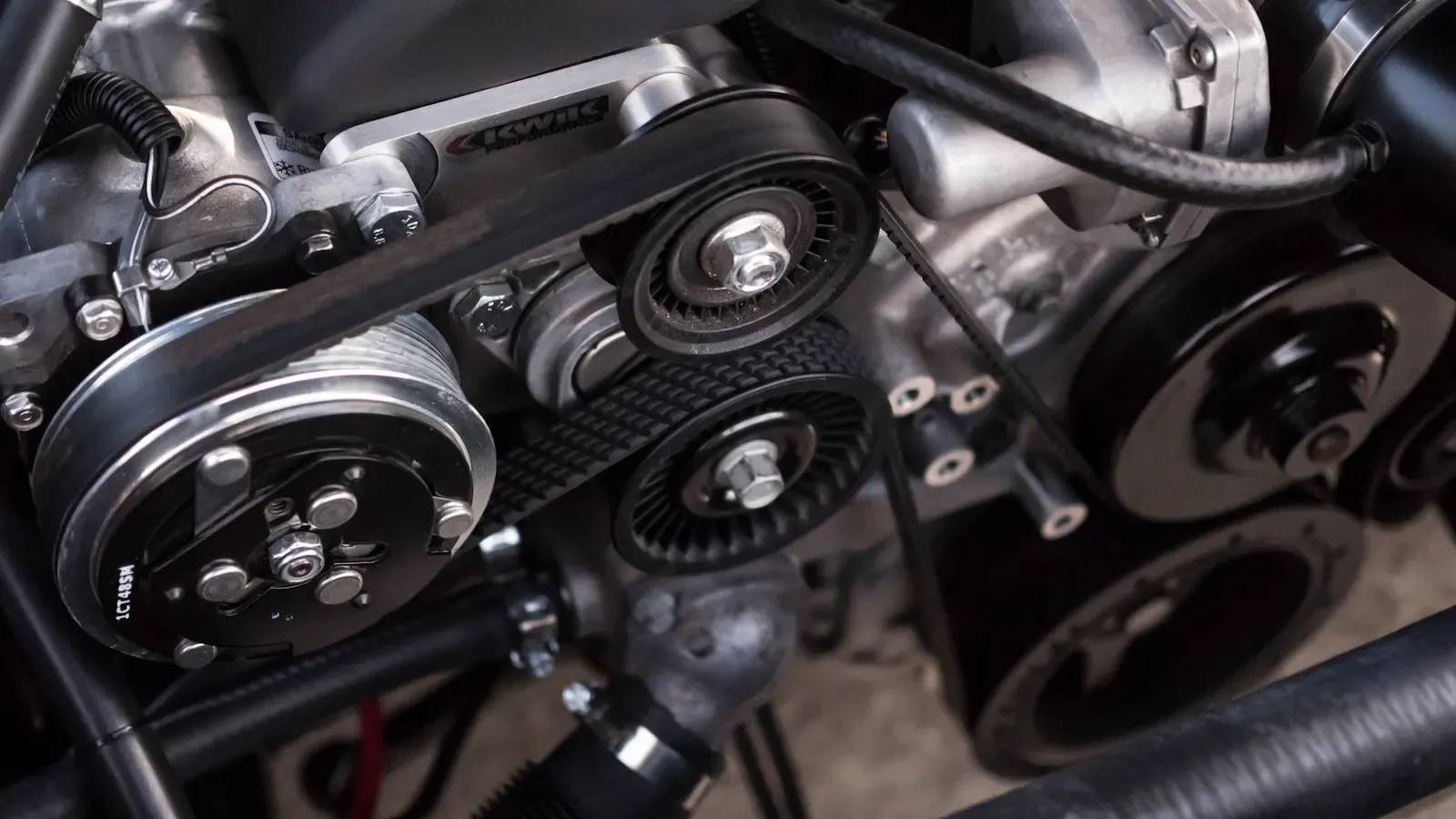
The rise of electric vehicles (EVs) has changed the automotive landscape. While EVs require less maintenance than traditional vehicles, they still need regular care. At Franco Garage, we're staying ahead of the curve with EV maintenance expertise.
What's Different About EV Maintenance?
Fewer Moving Parts
EVs have significantly fewer moving parts than internal combustion engines:
- No engine oil changes needed
- No spark plugs or ignition systems
- No exhaust systems
- No transmission fluid changes (in most models)
- No fuel filters or fuel systems
What Still Needs Maintenance
Even though EVs are simpler, they still require:
-
Battery System Care
- Battery health monitoring
- Cooling system maintenance
- Charging port inspection
-
Tire Service
- Regular rotation and balancing
- Alignment checks
- Tire replacement (EVs are heavier, causing faster wear)
-
Brake System
- Brake fluid checks
- Brake pad replacement (less frequent due to regenerative braking)
-
Cooling Systems
- Coolant for battery and electronics
- System inspection
-
Suspension Components
- Shock absorbers
- Struts
- Control arms
Battery Maintenance Tips
Optimal Charging Habits
- Avoid charging to 100% regularly (aim for 80-90%)
- Don't let battery drop below 20% frequently
- Use slower charging when possible for battery health
- Avoid extreme temperatures when charging
Battery Health Monitoring
Modern EVs provide battery health data. Watch for:
- Reduced range
- Slower charging times
- Battery temperature warnings
Common EV Maintenance Tasks
Tire Maintenance
EVs are heavier due to battery packs, leading to:
- Faster tire wear
- More frequent rotations needed
- Importance of proper inflation
Brake Service
Regenerative braking reduces brake pad wear, but:
- Brake fluid still needs regular service
- Brake pads still wear (just slower)
- Brake inspections are still important
Software Updates
Unlike traditional vehicles, EVs receive:
- Over-the-air updates
- Battery management improvements
- Feature enhancements
When to Service Your EV
Every 7,500-10,000 Miles
- Tire rotation
- Visual inspection
- Fluid level checks
- Software updates
Every 15,000-20,000 Miles
- Cabin air filter replacement
- Brake system inspection
- Cooling system service
Annually
- Comprehensive inspection
- Battery health check
- All systems review
EV-Specific Considerations
Cold Weather Impact
- Reduced range in cold temperatures
- Preconditioning your battery while plugged in
- Using heated seats instead of cabin heat when possible
Hot Weather Considerations
- Battery cooling system maintenance
- Parking in shade when possible
- Monitoring battery temperature
The Future of EV Maintenance
As EV technology evolves, maintenance requirements continue to change. At Franco Garage, we're investing in:
- EV diagnostic equipment
- Technician training
- Specialized tools
- Battery service capabilities
Trust Franco Garage for EV Service
Whether you drive a Tesla, Nissan Leaf, Chevrolet Bolt, or any other electric vehicle, we have the expertise to keep it running efficiently. Our technicians stay current with EV technology and manufacturer requirements.
Ready to service your electric vehicle? Contact Franco Garage for professional EV maintenance.